
First Shoots
Spring on the Monaro: First Shoots, New Signs of Life
There’s a moment in every restoration project when the landscape quietly tells you you’re on the right track. For us, that moment arrived this spring.
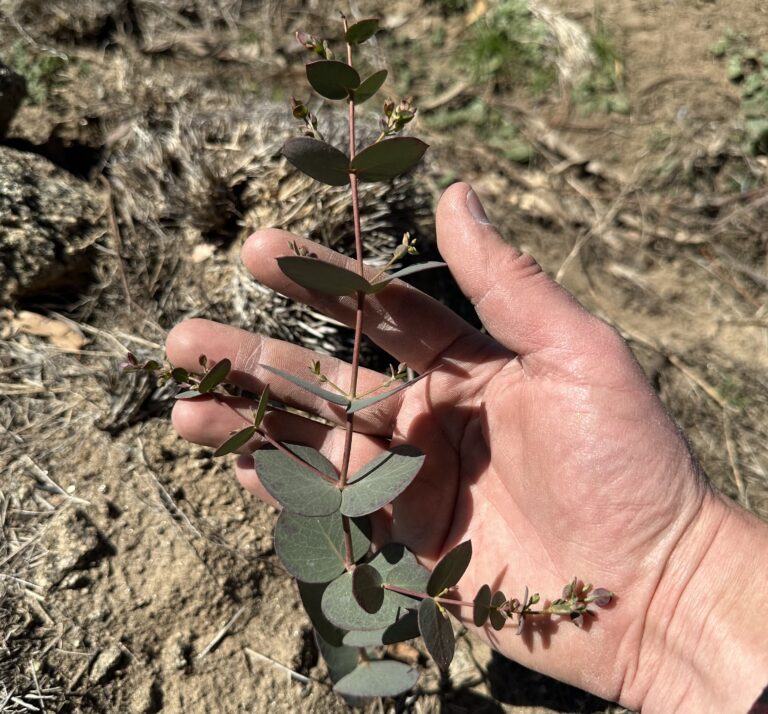
Across our plantings on the Monaro, the young trees are beginning to push out their first flush of new growth—fresh tips on snow gums, red-tinged juvenile leaves on the eucalypts, and the first signs that root systems have settled in and started driving upward.
Wildflowers Re-Emerging
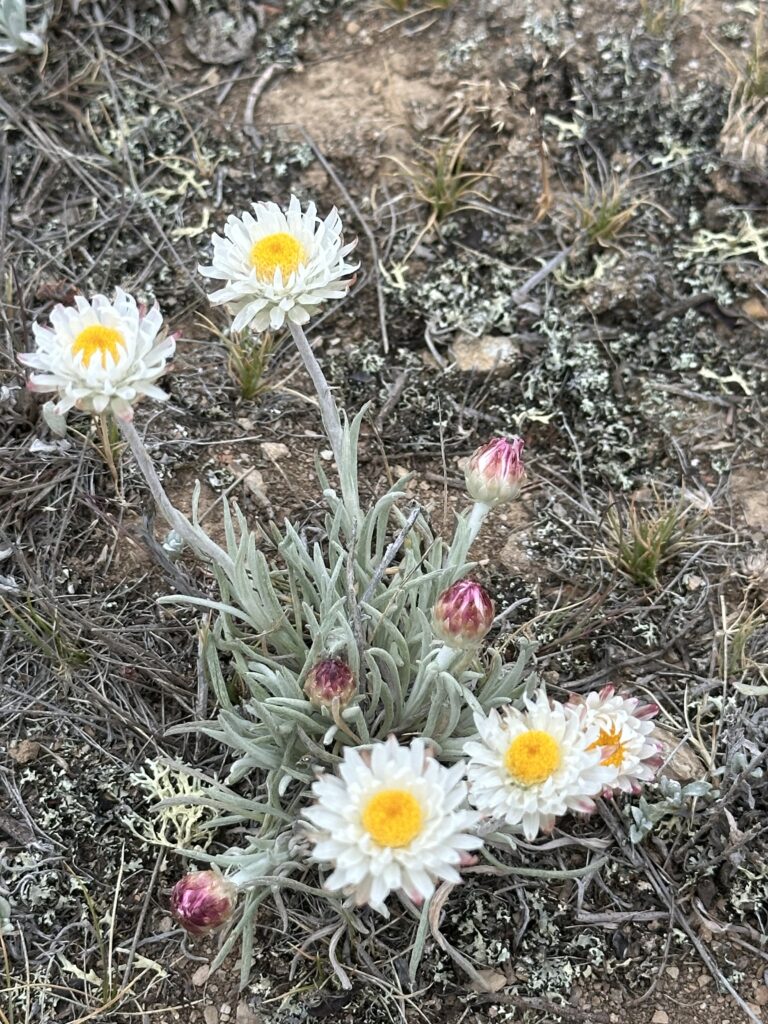
The ground layer is waking up too. Small native wildflowers are returning between the young trees—bright burr daisies and vivid purple pea flowers pushing up through the rocky Monaro soils. These early wildflowers are more than just colour; they’re indicators of a landscape beginning to stabilise and recover. Their presence signals improved soil function and the slow return of ecological processes that had been suppressed for decades.
Wildlife Already Responding
As the vegetation starts to return, so does the wildlife. During a recent visit, we came across an echidna weaving its way through the granite—a sign that habitat complexity, leaf litter, and food sources are gradually improving.
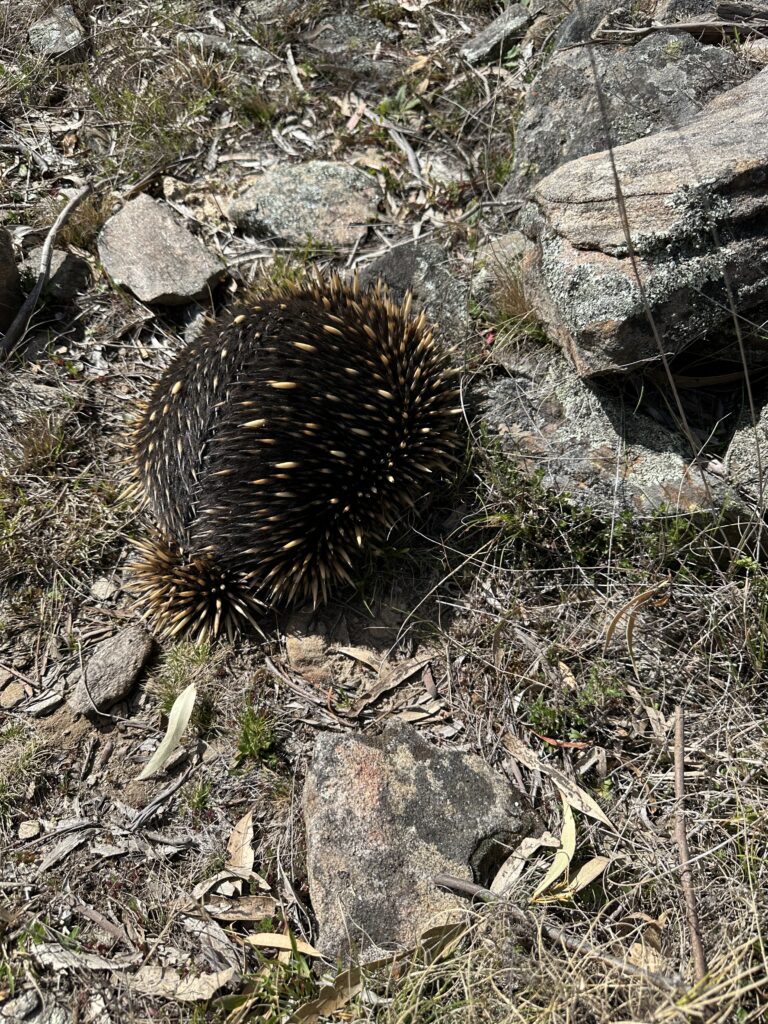
Encounters like these are reminders that restoration happens in layers. Trees may take decades to mature, but other species respond almost immediately when conditions begin to shift back toward health.
Small Signs, Big Future
These early season shoots and wildflower returns might look small, but they carry weight. They’re the first visible proof that the work—ripping, mounding, planting and ongoing management—is beginning to reshape the landscape.
This is the start of decades of growth, carbon sequestration, and habitat rebuilding across our project sites. Spring has offered a glimpse of what’s to come—and it’s already working.
Recent Blogs
Newsletter
Subscribe to our newsletter to stay up-to-date with the latest news from Greenprint.